


Giulia (Type 105) 1962-1993
Andrew Waterston
2588

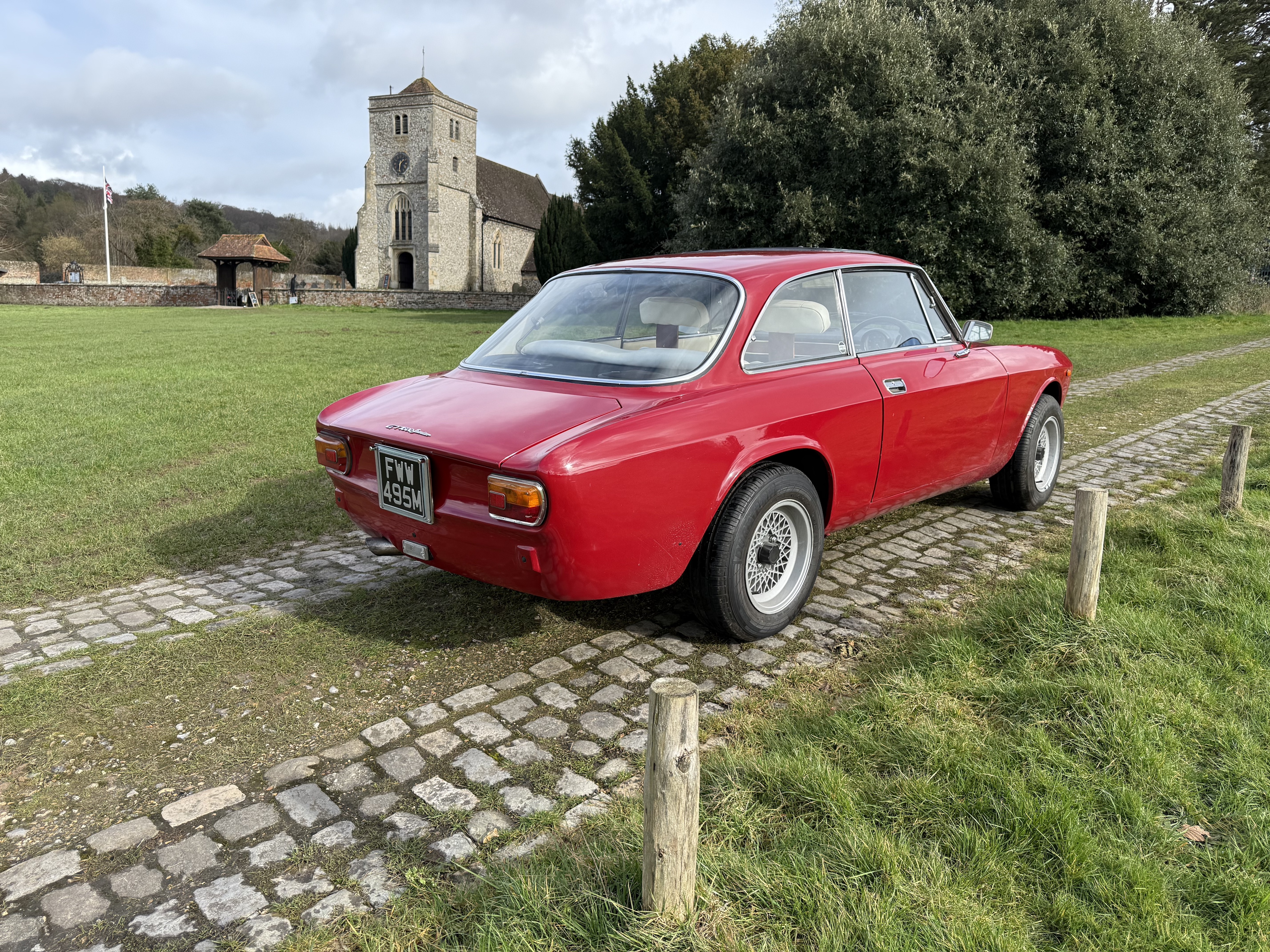
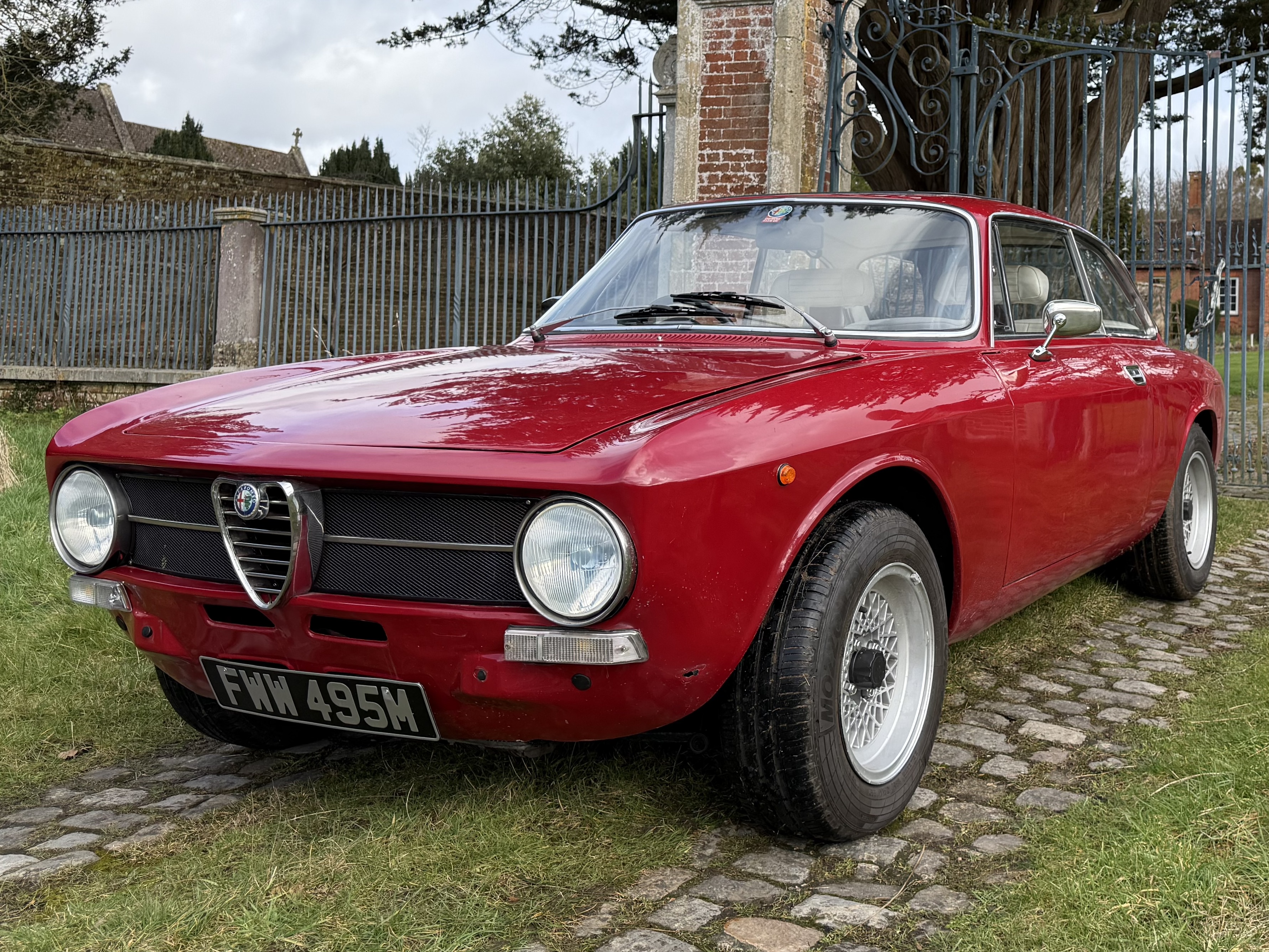
History of the Alfa Romeo Giulia GT1600 Junior

Designed by Giorgetto Giugiaro for Bertone, the 105/115 series coupé was manufactured between 1963 and 1977.
All models use a 4 cylinder aluminium twin cam engine with 2 valves per cylinder in various capacities from 1290cc to 1962cc. All models came with 5 speed manual transmission and solid disc brakes to all 4 wheels - unusually advanced features at the time.
The Alfa Romeo GT1600 Junior (tipo 115.05) was introduced in 1972, to plug the gap between the GT 1300 Junior and the newly introduced GTV 2000. The engine is substantially the same as the Giulia Sprint GTV (discontinued in 1968) and has the same engine type number. The final drive ratio is 9/41 (common to all 105 series coupes with the 1290cc and 1570cc engines). The 1600 generates 110bhp as standard which when combined with superb handling and light weight (1040lb) results in a hugely enjoyable drive.
From 1974 onwards, the GT 1300 Junior and GT 1600 Junior were rationalised onto a common platform of models with the GTV 2000 and rebadged as the 1.3 GT Junior and 1.6 GT Junior respectively, sharing most of the interior and exterior features of the larger engine car. This car was built at Aresa in Italy on 15 January 1975 in Italy for the South Africa market and is one of the last built to the original specification with 2 rather than 4 headlights, smaller rear lights and Veglia Borletti instruments.
13,120 GT 1600 Juniors were built, though few were sold in the UK as they cost more new than an E Type Jaguar. Constructed of cheap Russian steel, they quickly corroded and by 1996 only 85 remained on the road in the UK. Today, their popularity has resulted in the import and restoration of rust free cars from benign climates in Southern Europe, South Africa and even Australia which means there are now 161 licensed in the UK.
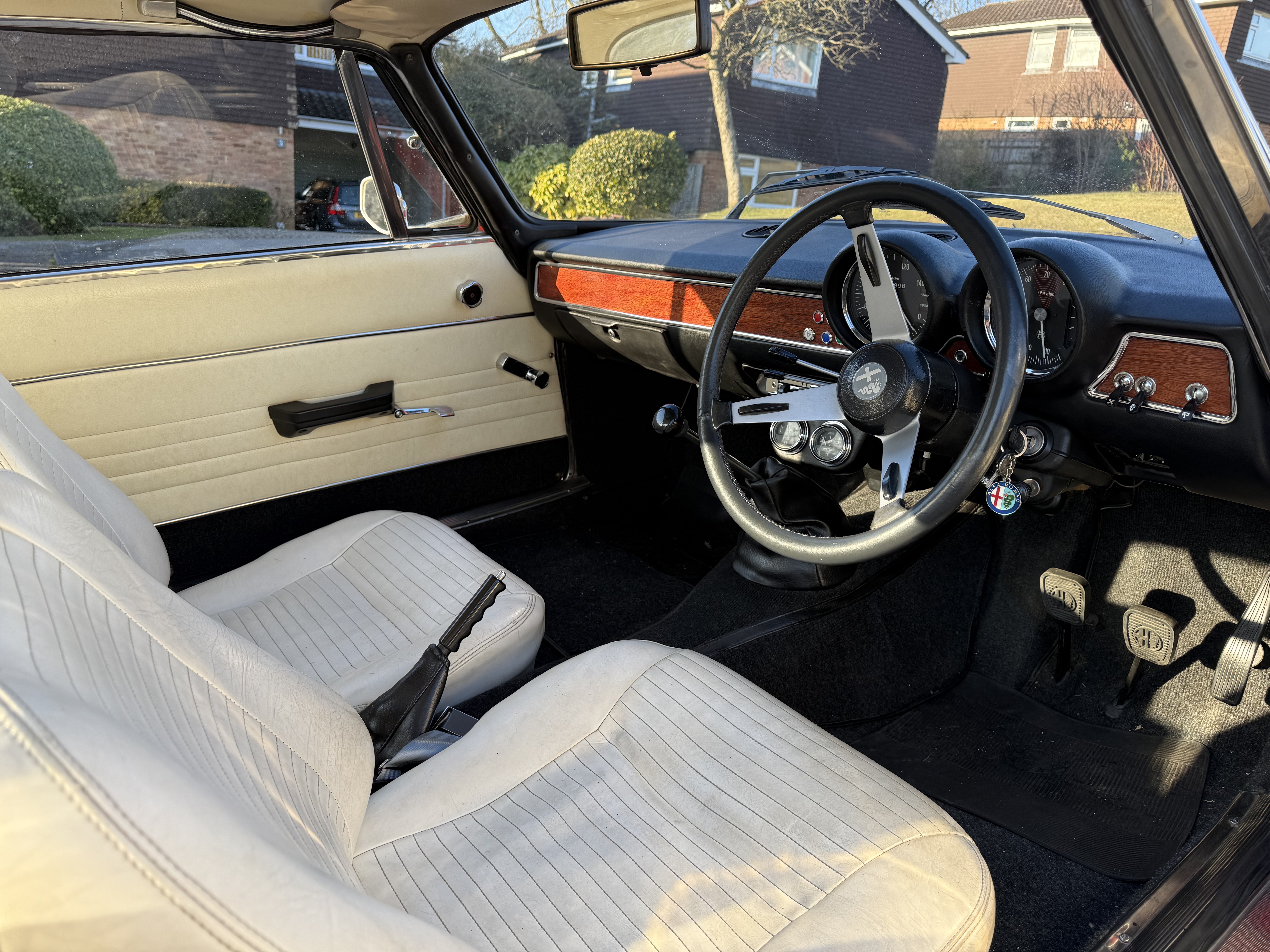
History of this car
This car was built on 15 January 1975 in Italy for the South African market. Initially shipped to Johannesburg it was then exported to Namibia. Its history there is not documented, but in 2007 the car was still in Walvis Bay, Namibia
In May 2015 the car was re-imported to South Africa where it underwent a head gasket change, valve seats were reground and new (mismatched!) cams were installed.
In July 2016 it was sold to a new owner who deregistered it as unroadworthy In April 2017 (the UK equivalent of SORN). The car was repaired and sold again.
In October 2019 it was sold to the current owner who imported it to the UK.
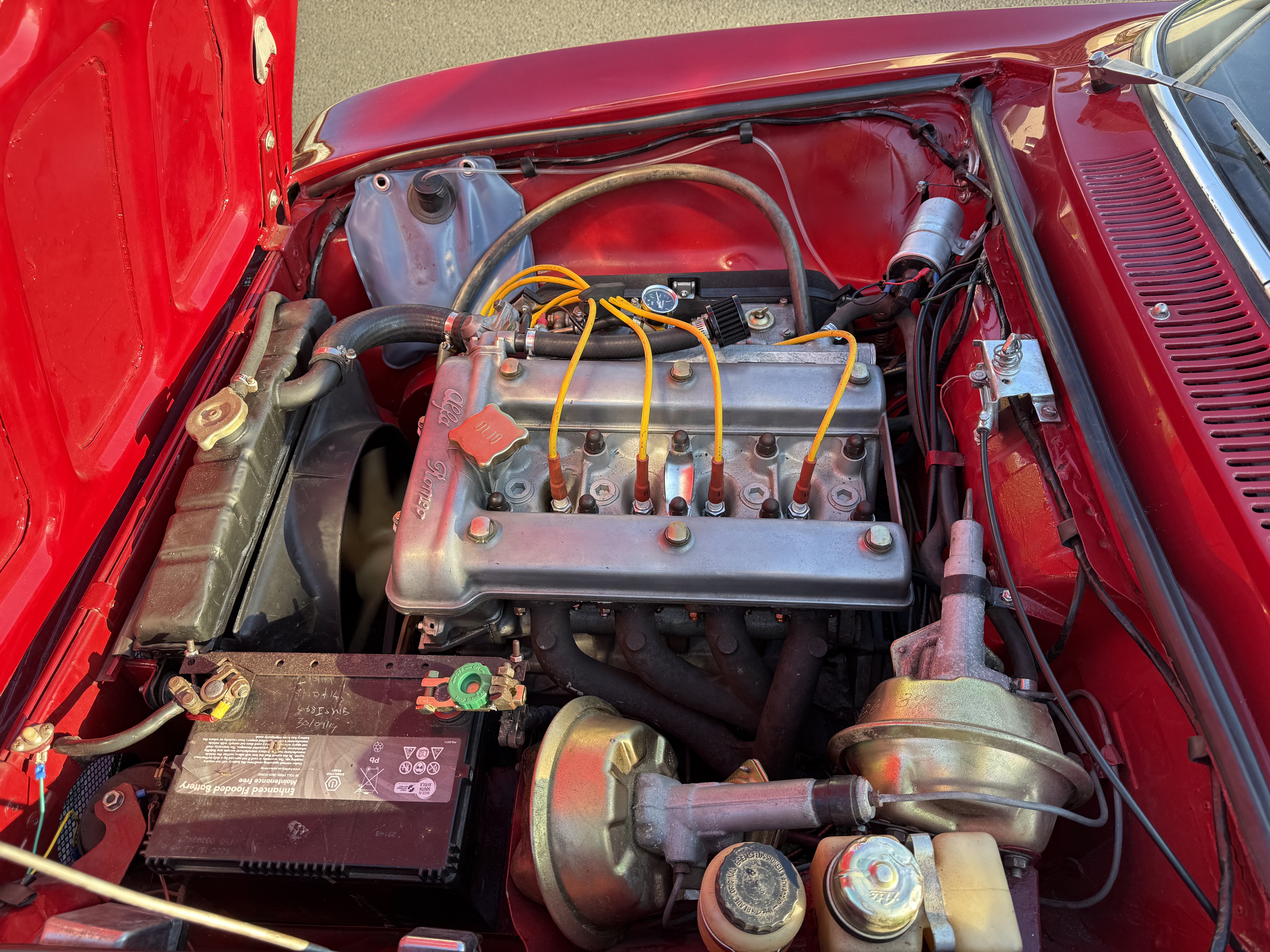
How this car saved the UK Classic Car Industry
In January 2020 the current owner first tried to register it with DVLA as an historic vehicle. For reasons that do not stand objective scrutiny, DVLA ignored expert inspection and objective review by both their Independent Complaints Assessor and the Parliamentary Ombudsman, and insisted the only way they would register the car was as a vehicle of unknown type and age (a Q Plate). The owner refused to accept their decision and there followed a 3 year battle involving the Board of the Historic & Classic Vehicles Alliance (HCVA) to get the car correctly registered. The saga was documented in feature articles for the Alfa Romeo Driver magazine (issues 56/3, 56/4, 56/6 and 59/2) as well as Classic and Sports Car (October 2023). Registration as a historic vehicle was only resolved when DVLA finally backed down when they and the owner met the Minister of Transport at the House of Commons in October 2023. Since the owner had followed all due process and had documented all the DVLA failings, other cases and the wider impact on the historic vehicle sector, the case was used by the HCVA to press for an independent review into the operation of the DVLA. The results of which were finally published in November 2024, and included the damning observation of “DVLA often reporting data to the department, the Parliamentary Health Service Ombudsman and Parliament that could have been easily misinterpreted or misunderstood”. The Minister stated this car “had saved the Classic Car Industry”.